
Number of Return
15 TimesROI
35 USDTotal Unit
19Maturity
180 DaysUnite Price
13,650,671 USDReturn Period
1 YearCapital Back
NoInvestment Last Date
24 May 2027


Malabo
Number of Return
15 TimesROI
35 USDTotal Unit
19Maturity
180 DaysUnite Price
13,650,671 USDReturn Period
1 YearCapital Back
NoInvestment Last Date
24 May 2027You are Sponsoring:
Available Unit
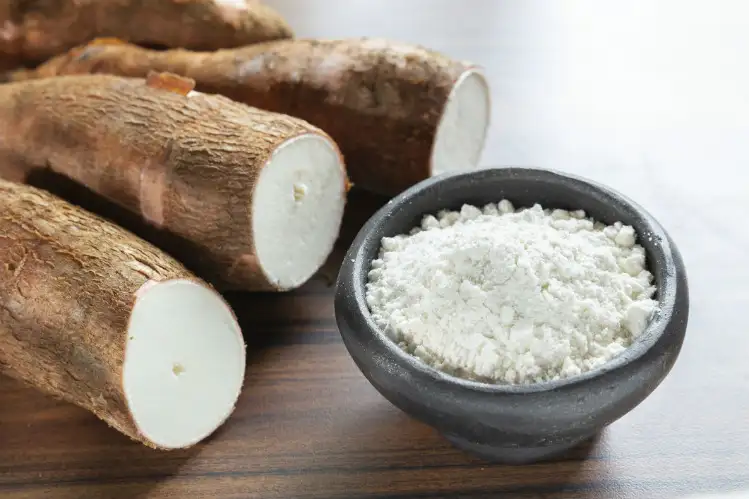
An agro-industrial initiative focused on value addition. Rather than selling fresh cassava roots (which spoil within 48-72 hours of harvest), this plant will transform them into a shelf-stable, high-demand product: cassava flour. This process significantly increases the income potential for farmers and creates a versatile ingredient for the food industry.
Cassava is a drought-tolerant, tropical root vegetable rich in starch. It is a staple food for over 800 million people worldwide.
Sourcing: The plant would likely source roots from local smallholder farmers or its own plantations.
Challenge: Fresh cassava is highly perishable. Once harvested, it must be processed within 24-48 hours to prevent spoilage and cyanide development (in bitter varieties). This makes the proximity of the plant to the farms critical.
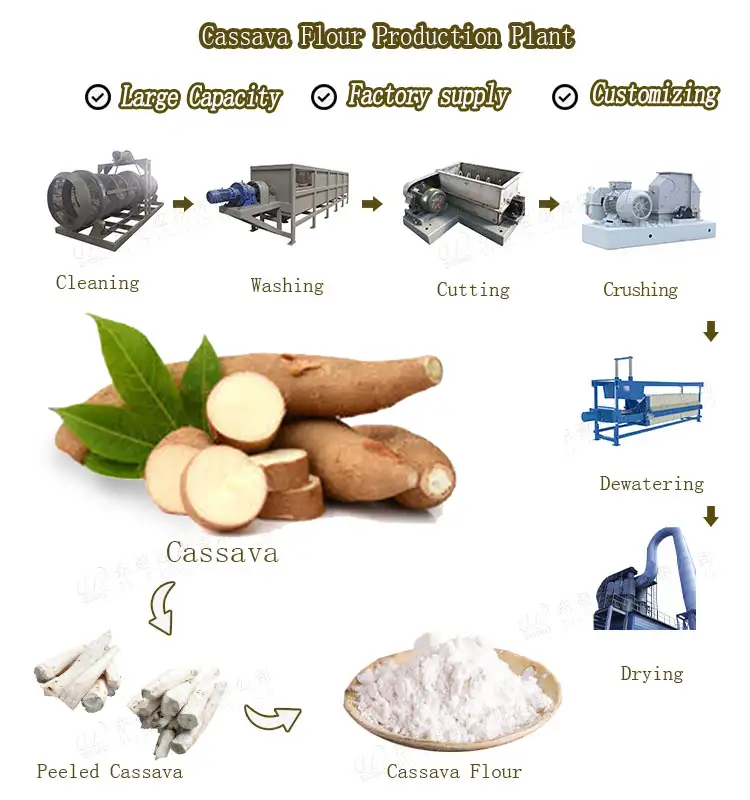
The implementation of the plant involves setting up a production line to handle the following stages:
Step 1: Reception & Washing
Roots are delivered, weighed, and inspected for quality.
They are fed into a drum washer to remove all dirt, sand, and outer skin.
Step 2: Peeling
This can be done manually (labor-intensive, provides jobs) or mechanically (efficient, high-volume).
The peel contains low-quality starch and must be removed completely.
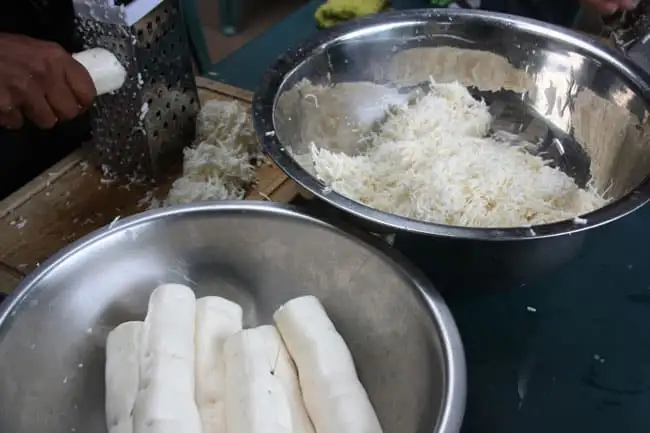
Step 3: Grating / Chipping
The clean roots are fed into a grater to break them into a wet mash or cut into small chips.
This increases the surface area for the next critical step: drying.
Step 4: Pressing / Dewatering (Critical Step)
Fresh cassava has a very high moisture content (60-70%).
The mash is placed in hydraulic or screw presses to squeeze out the starchy water.
Note for Bitter Cassava: This step also helps remove toxic hydrocyanic acid (cyanide) found in bitter varieties, making the flour safe for consumption.
Step 5: Drying
The dewatered cake or chips must be dried immediately to prevent fermentation.
Sun Drying: Spread on mats or concrete floors (low cost, but weather-dependent).
Mechanical Drying: Using flash dryers or rotary dryers (higher cost, faster, consistent quality, and weather-independent).
Step 6: Milling
The dry cassava pieces (now called "garri" if granules, or chips) are fed into a hammer mill.
They are ground into a fine, soft powder: cassava flour.
Step 7: Sifting & Packaging
The flour is passed through a sifter to ensure uniform particle size.
It is then weighed and sealed into bags (ranging from 1kg retail bags to 50kg industrial sacks).
Setting up this "planta de fabricación" requires careful planning of physical and utility infrastructure:
Facility: A warehouse large enough to house the production line, plus separate areas for:
Raw root storage (short-term).
Dry storage for packaging materials.
Finished product warehouse (cool, dry, and elevated off the floor).
Utilities:
Water Supply: High volume for the washing stage.
Reliable Electricity: Essential for running mills, dryers, and conveyors. A backup generator is often necessary.
Drainage: Systems to handle the wastewater and peels (which can be composted or used as animal feed).
The final product, cassava flour, has a diverse range of applications:
Human Consumption:
Traditional Foods: Used to make fufu, eba, or porridge in African and Latin American cuisines.
Gluten-Free Market: A popular alternative to wheat flour for bread, cakes, pancakes, and cookies for people with celiac disease or gluten intolerance.
Food Industry: Used as a thickener in soups, sauces, and processed foods.
Industrial Uses:
Adhesives (glue for plywood, paper, and textiles).
Bioethanol production.
Animal feed formulations.


Different term invest makes your money secure and choice the best plan for your future asset
Estimated Asset to be Raised
Estimated Projects to be Funded
Target Net IRR
Estimated Investors
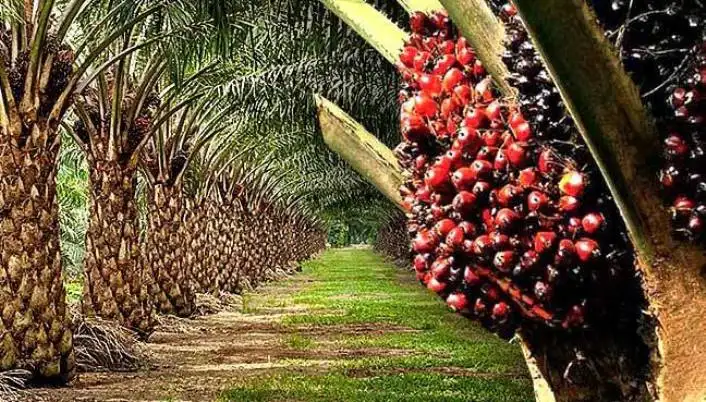
The project involves the industrial implementation of oil palm cultivation and the establishment of a palm oil processing factory in Equatorial Guinea, with a production capacity of 15,000 to 30,000 tons per day.
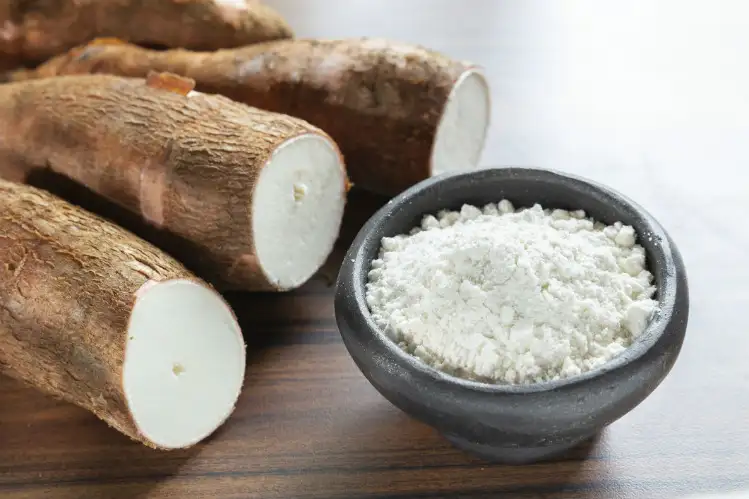
This project is a classic example of agro-industrialization. It takes a raw, perishable agricultural commodity (cassava) and uses industrial processing to:Extend Shelf Life: From days to over 12 months.Increase Value: Selling flour is significantly more profitable than selling raw roots.Create Jobs: Employs workers in processing, quality control, logistics, and administration.Stabilize Markets: Provides a consistent buyer for local farmers, reducing post-harvest losses.
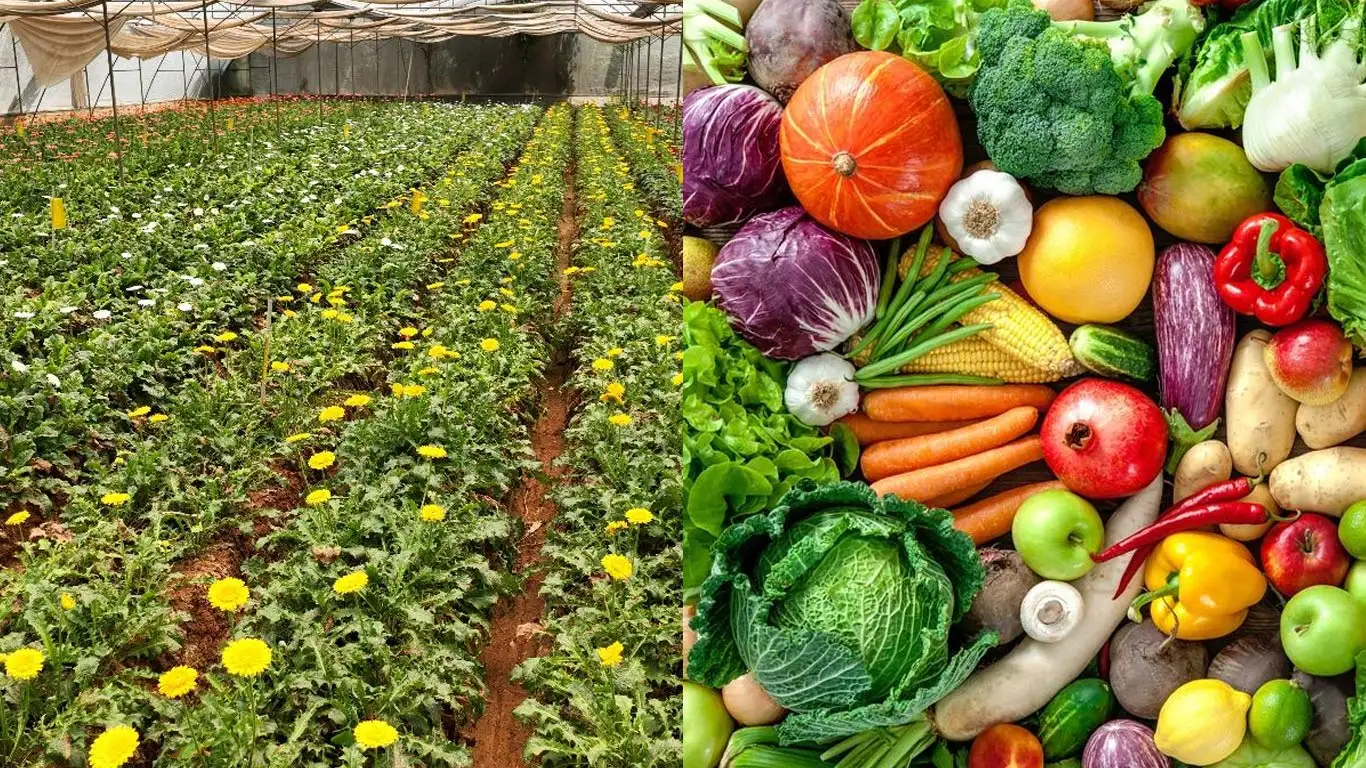
To develop a multifunctional agricultural system that serves several purposes: an economic function (as a source of employment and income), an environmental function, a territorial management function, and a social and cultural function.
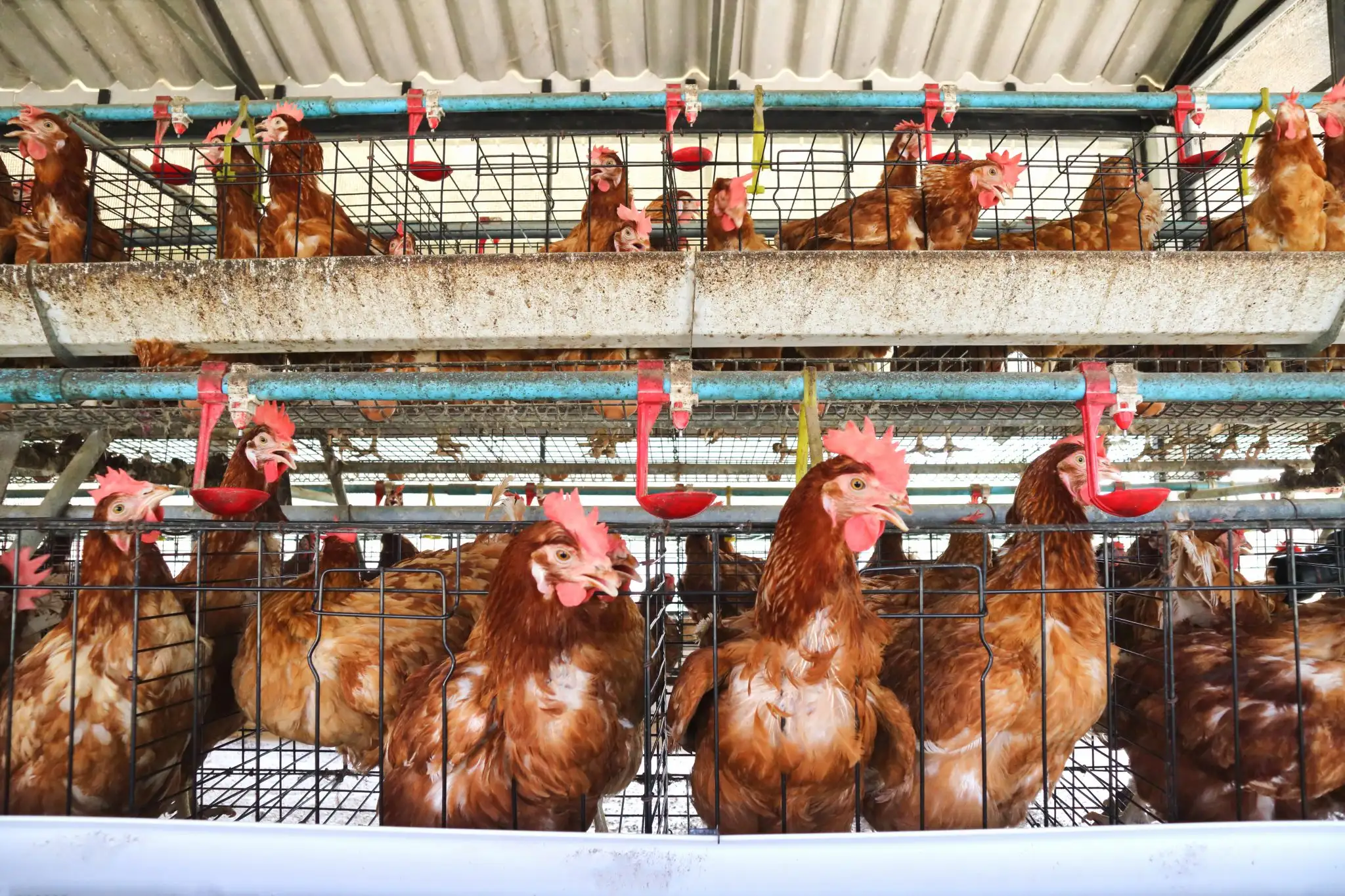
This project is a classic example of vertical integration (if feed is made on-site) or a specialized grow-out operation (if feed is bought). It transforms basic inputs (chicks, feed, water) into a high-protein product (chicken) for the human food chain, managing the biological, logistical, and commercial risks at every stage.
 your Money