
Number of Return
15 TimesROI
15 USDTotal Unit
50Maturity
365 DaysUnite Price
20,609,568 USDReturn Period
12 MonthCapital Back
NoInvestment Last Date
30 Nov 2027


Ebibeying
Number of Return
15 TimesROI
15 USDTotal Unit
50Maturity
365 DaysUnite Price
20,609,568 USDReturn Period
12 MonthCapital Back
NoInvestment Last Date
30 Nov 2027You are Sponsoring:
Available Unit
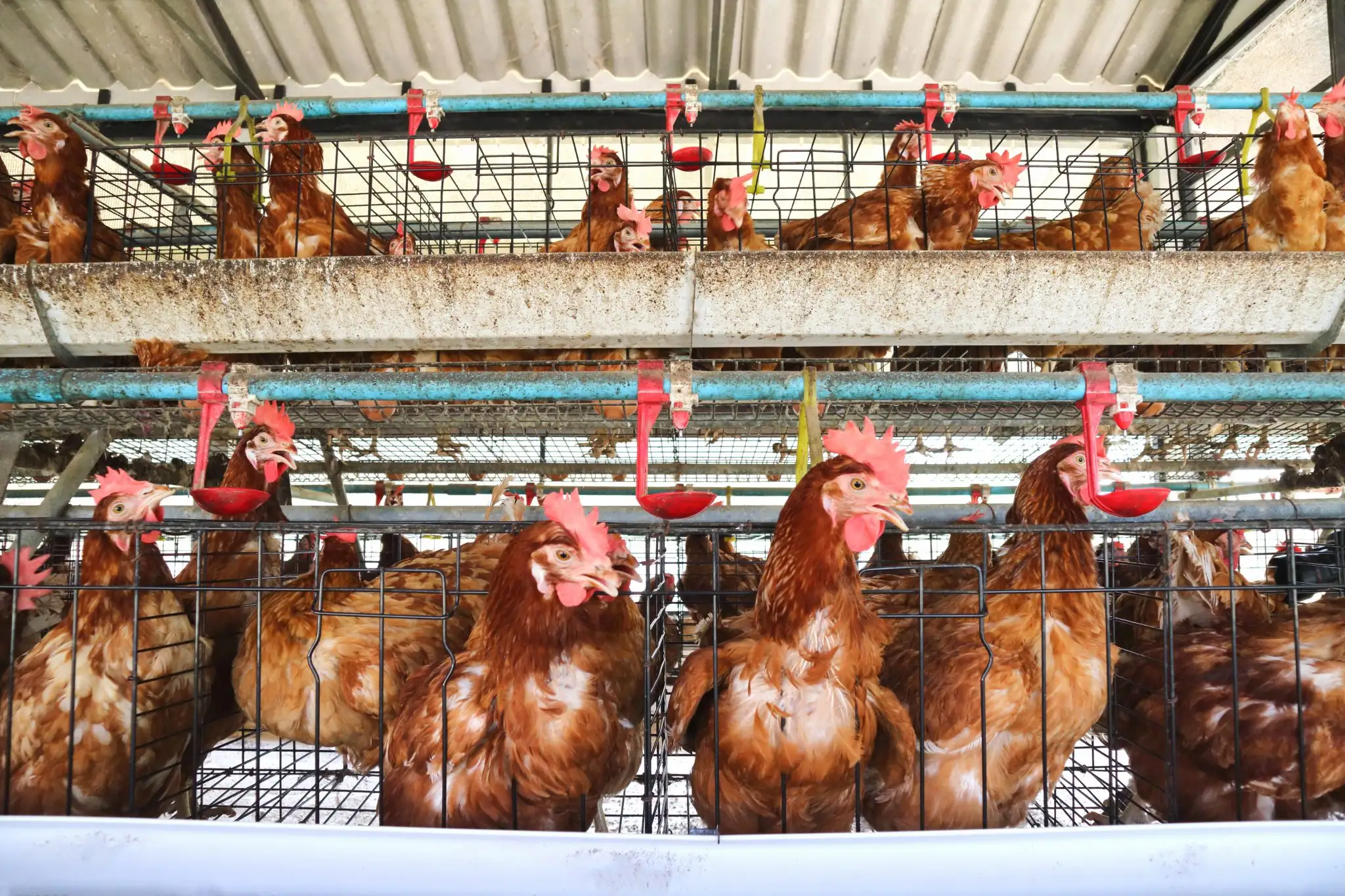
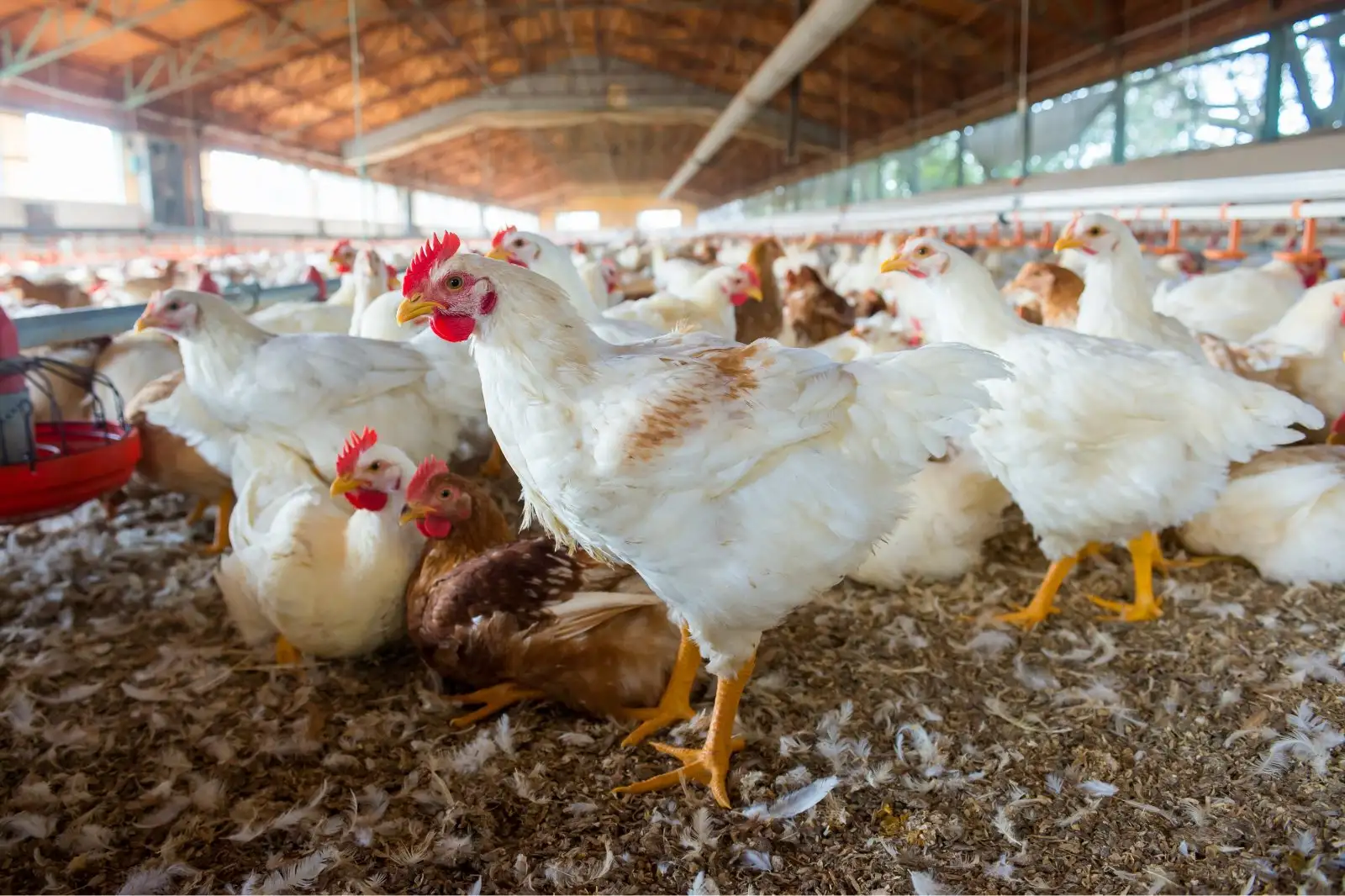
This project describes a full-spectrum poultry business focused on broiler chickens (raised for meat). It covers everything from the moment a day-old chick arrives on the farm to the moment the processed chicken reaches a consumer's table. The key differentiator in this model is the level of control over the supply chain, specifically regarding animal feed.
This refers to the physical farm and the biological management of the birds. It is not just raising a few chickens; it is a commercial "exploitation," meaning it is managed for maximum efficiency and output.
Housing & Infrastructure:
Broiler Houses: Large, open-sided or climate-controlled sheds designed to house thousands of chickens. These buildings manage ventilation, temperature, and lighting to optimize growth.
Biosecurity Measures: Footbaths, dedicated clothing for workers, and controlled access to prevent diseases from entering the farm.
Watering & Feeding Systems: Automatic drinkers and feeders that ensure a constant supply of clean water and food.
The Rearing Cycle (Crianza):
Staging: The process is typically "all-in, all-out," meaning all birds in a house are the same age. They arrive as day-old chicks from a hatchery.
Growth Phase: Over the course of approximately 5 to 9 weeks (depending on the target weight), the chicks are raised in a controlled environment.
Health Management: Constant monitoring for signs of illness, vaccination programs, and strict hygiene protocols to ensure a high survival rate.
This is the most significant economic decision in the project. Feed accounts for 60-70% of the total cost of raising a chicken.
Scenario A: With Own Feed Manufacturing (Integrated Model)
Infrastructure: The farm includes a feed mill with grinders, mixers, and pellet mills.
Sourcing: The company buys raw materials in bulk—maize (corn), soybean meal, wheat, vitamins, and minerals.
Advantages:
Cost Reduction: Significantly lowers the cost per kilogram of feed compared to buying pre-made feed.
Quality Control: The farmer controls exactly what goes into the feed, ensuring no fillers or low-quality ingredients are used.
Formula Flexibility: The farmer can adjust the feed formula based on the age of the chicken (starter, grower, finisher feeds) to optimize growth.
Disadvantages: High initial capital investment for machinery and storage silos; requires expertise in animal nutrition.
Scenario B: Without Own Feed Manufacturing (Outsourced Model)
Process: The farmer purchases completed feed from a commercial feed company.
Advantages:
Lower Initial Investment: No need to build a mill or buy grain storage.
Simplified Logistics: Focus remains solely on raising the birds, not on sourcing grains.
Consistency: Reputable feed companies provide scientifically balanced rations.
Disadvantages: Higher variable costs (lower profit margin per bird); dependency on the supply and pricing of the feed company.
Once the chickens have reached market weight (typically 1.5 kg to 3 kg), the distribution phase begins. This involves the logistics of getting a highly perishable product to customers.
Harvesting & Processing:
Catching: Teams of catchers humanely gather the birds at night to reduce stress.
Transport: Birds are loaded onto specially designed trucks with ventilation to be taken to a processing plant.
Processing: At the plant, birds are humanely slaughtered, de-feathered, eviscerated, and chilled. They can be sold as whole birds or cut into parts (breasts, thighs, wings).
Distribution Channels:
Live Birds: Sold directly to local markets or butchers (common in many regions).
Fresh/Frozen Chicken: Distributed via refrigerated trucks ("cold chain") to:
Supermarkets and grocery stores.
Restaurants and hotels (food service industry).
Wholesale markets.
Direct-to-consumer sales (farm shops or delivery).


Different term invest makes your money secure and choice the best plan for your future asset
Estimated Asset to be Raised
Estimated Projects to be Funded
Target Net IRR
Estimated Investors
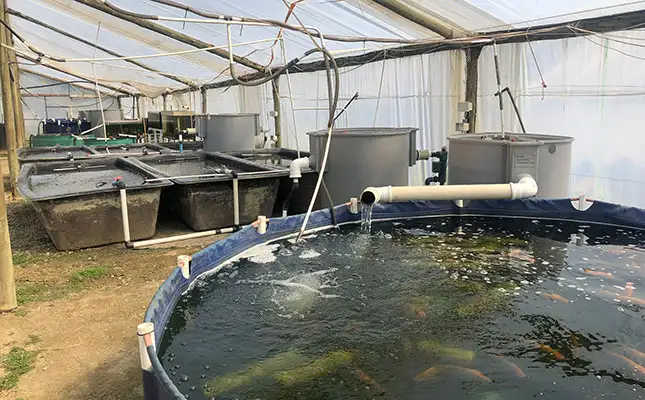
Modern Fish Farming: Feeding the Future Sustainably Modern fish farming, also known as aquaculture, has transformed how we produce seafood. Instead of relying solely on traditional fishing, farmers now raise fish like tilapia, catfish, and salmon in controlled environments such as ponds, tanks, and floating cages.
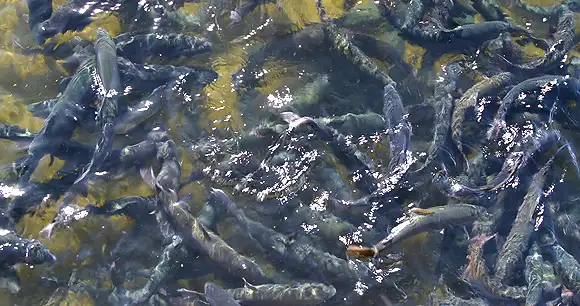
The Rearing Phase (Breeding & Cultivation)This is the biological and agricultural heart of the project. It involves controlling the life cycle of the fish rather than just catching them in the wild.
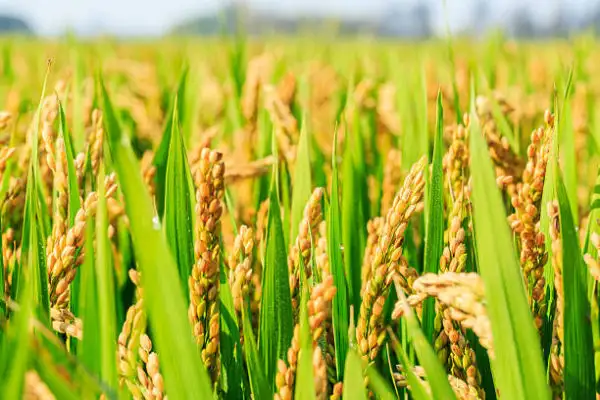
The project involves the industrial implementation of rice cultivation and the establishment of a processing plant in Equatorial Guinea, with a production capacity of 5,000 tons of packaged rice per year.
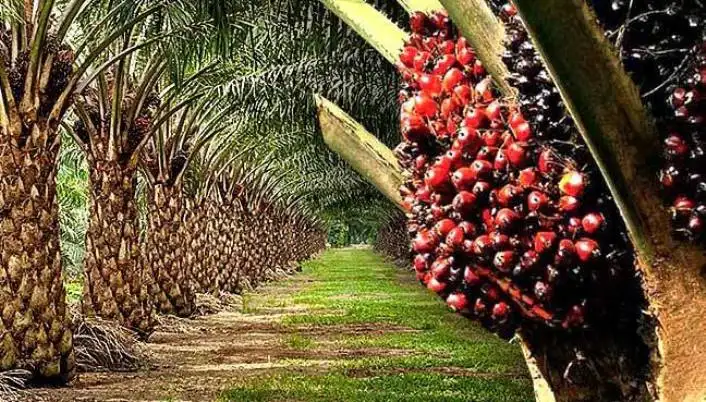
The project involves the industrial implementation of oil palm cultivation and the establishment of a palm oil processing factory in Equatorial Guinea, with a production capacity of 15,000 to 30,000 tons per day.
 your Money