Number of Return
12 TimesROI
10 USDTotal Unit
30Maturity
180 DaysUnite Price
19,998,132 USDReturn Period
6 MonthCapital Back
NoInvestment Last Date
10 Jul 2026

Mongomo
Number of Return
12 TimesROI
10 USDTotal Unit
30Maturity
180 DaysUnite Price
19,998,132 USDReturn Period
6 MonthCapital Back
NoInvestment Last Date
10 Jul 2026You are Sponsoring:
Available Unit
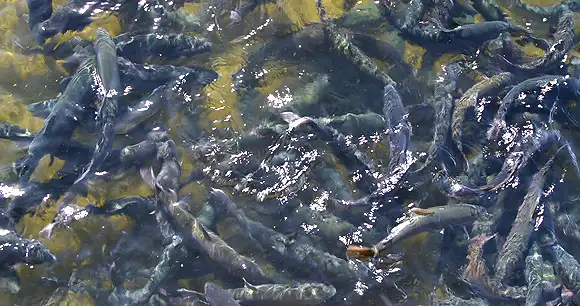
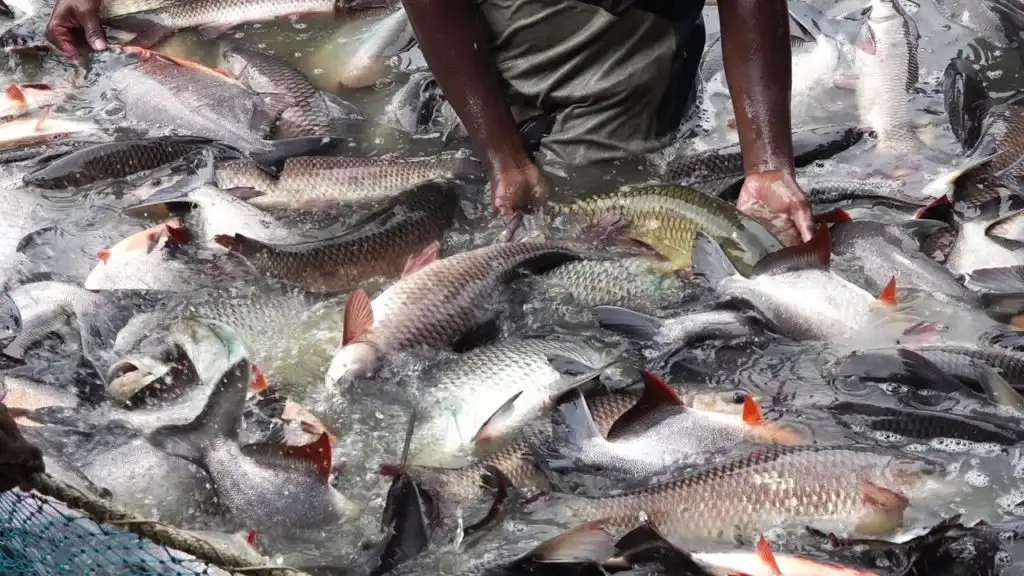
Controlled Breeding: Artificially incubating eggs and raising fry (baby fish) in a protected environment (like a hatchery or nursery pond) to ensure high survival rates.
Fingerling Production: Raising the fry to a juvenile stage ("fingerlings") before releasing them or transferring them to grow-out ponds.
Grow-Out Ponds: Raising the fish to market size in controlled ponds or enclosures. Since the project name specifies the river, this could involve:
River Pens/Cages: Floating cages placed directly in the Bolo River that allow water to flow through while keeping the fish contained.
Floodplain Ponds: Utilizing natural depressions or man-made ponds adjacent to the river that are filled with fresh river water.
Feeding & Health: Managing a high-quality diet and monitoring water quality and fish health to maximize growth and prevent disease.
The project focuses on species native or adapted to river environments. Depending on the region (the Bolo River is likely in a Spanish-speaking country, possibly in Latin America or Equatorial Guinea), the target species might include:
Tilapia
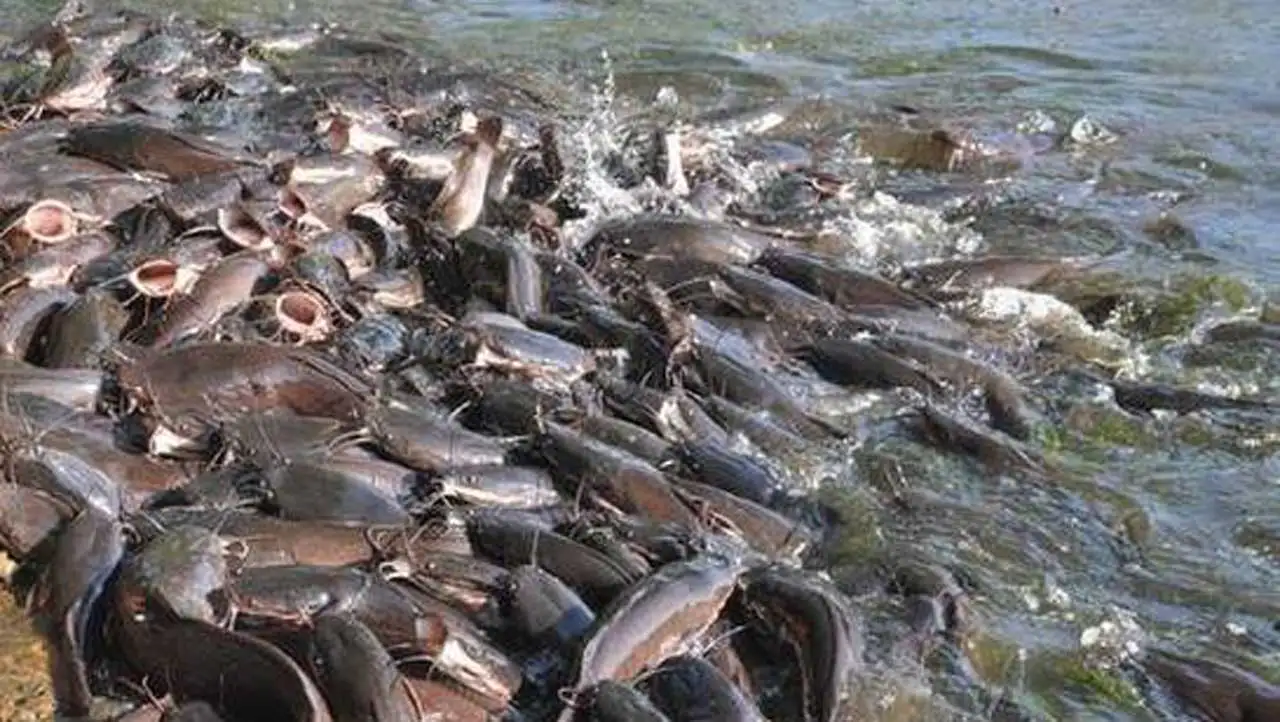
Various species of native catfish
Carp
Snook (Róbalo)
This is the business and logistics side of the project, focusing on getting the product to consumers.
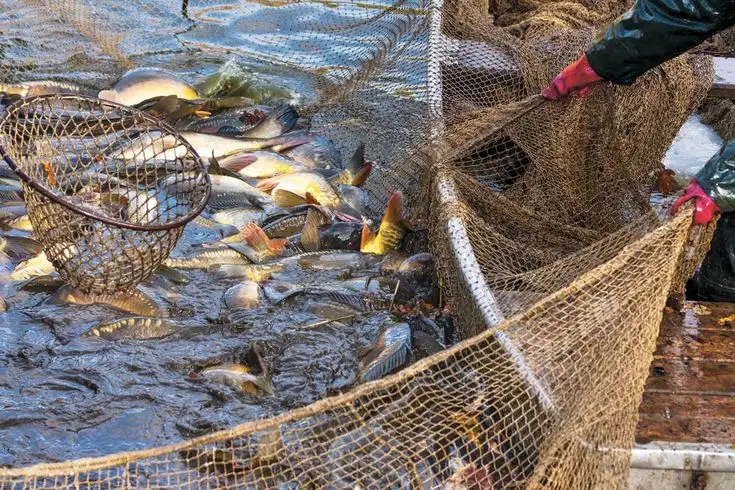
Harvesting: Efficiently gathering the mature fish from the rearing systems.
Processing: Cleaning, gutting, and potentially filleting or freezing the fish to add value and extend shelf life.
Cold Chain Logistics: Transporting the fresh or frozen product to market using refrigerated vehicles to prevent spoilage.
Market Channels: Supplying the fish to local markets, restaurants, grocery stores, or directly to consumers. The proximity to the river could allow for direct sales to riverside communities.
The river itself is not just a location but a key resource for the project:
Water Source: It provides the essential, fresh water needed for the tanks or cages.
Ecosystem Integration: If using cage systems, the project relies on the natural flow of the river to keep the water clean and oxygenated.
Community Impact: Such a project would likely provide a source of fresh protein and employment for communities living along the Bolo River, reducing reliance on overfishing the wild population.

Different term invest makes your money secure and choice the best plan for your future asset
Estimated Asset to be Raised
Estimated Projects to be Funded
Target Net IRR
Estimated Investors
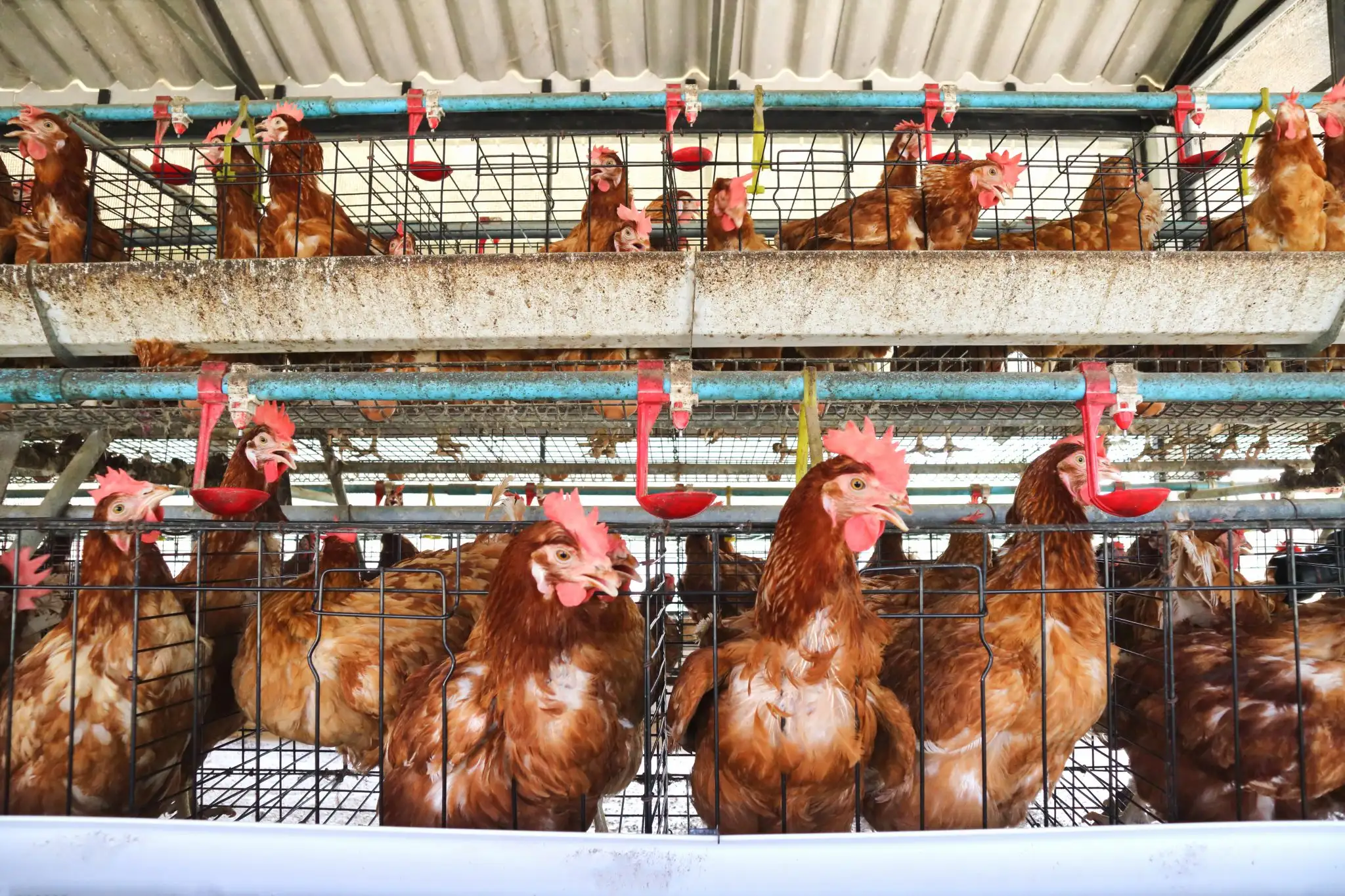
This project is a classic example of vertical integration (if feed is made on-site) or a specialized grow-out operation (if feed is bought). It transforms basic inputs (chicks, feed, water) into a high-protein product (chicken) for the human food chain, managing the biological, logistical, and commercial risks at every stage.
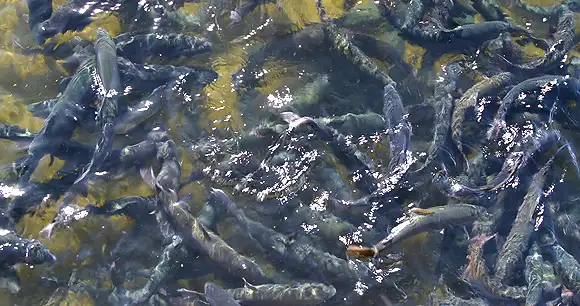
The Rearing Phase (Breeding & Cultivation)This is the biological and agricultural heart of the project. It involves controlling the life cycle of the fish rather than just catching them in the wild.
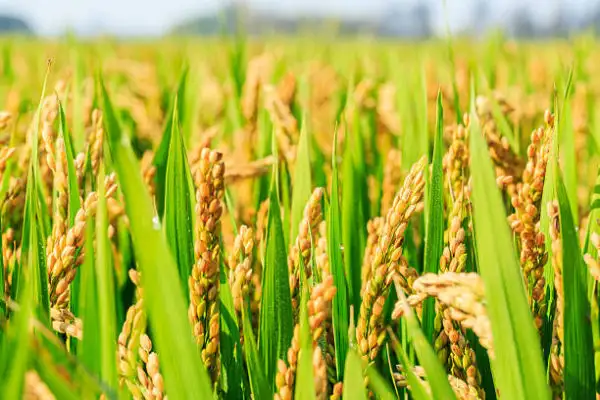
The project involves the industrial implementation of rice cultivation and the establishment of a processing plant in Equatorial Guinea, with a production capacity of 5,000 tons of packaged rice per year.
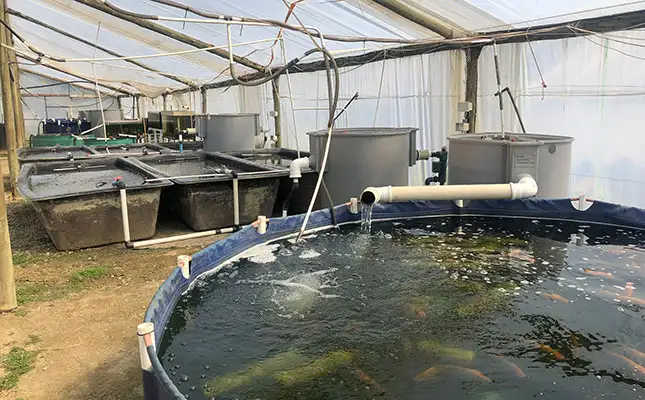
Modern Fish Farming: Feeding the Future Sustainably Modern fish farming, also known as aquaculture, has transformed how we produce seafood. Instead of relying solely on traditional fishing, farmers now raise fish like tilapia, catfish, and salmon in controlled environments such as ponds, tanks, and floating cages.
 your Money